
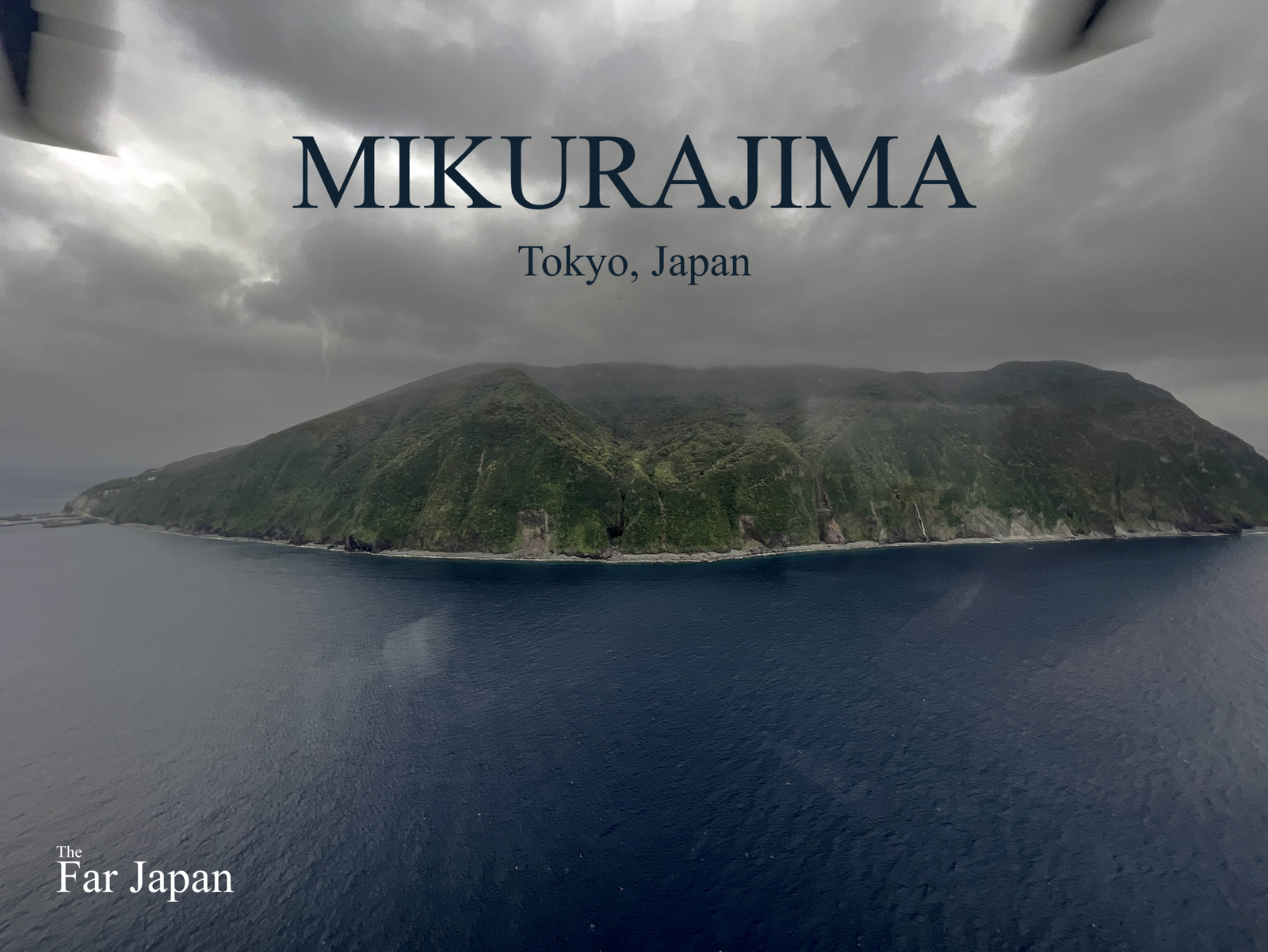
If you’re looking for a perfectly manicured tourist resort with easy access, close this tab right now. But if you crave a true hikyo—an unexplored, rugged frontier that most foreign travelers will never get to see—you are exactly where you need to be.
Mikurajima is world-renowned for its wild dolphin swims and ancient, untouched forests. But let me be completely honest with you: breaching this isolated island is a massive challenge. It is just as notoriously difficult to reach as Japan’s legendary Aogashima. I know this firsthand because I recently got stranded on Mikurajima for three days due to the unpredictable weather!
But trust me, staring down a 480-meter sea cliff and swimming in pristine waters makes every ounce of the struggle worth it. Here is my battle-tested blueprint on exactly how to reach this remote paradise, where to sleep, and how to survive the expedition without losing your mind (or your money).
The Foolproof Route: How to Get to Mikurajima
Forget endless research; when you are dealing with a remote island without an airstrip or a protected harbor, you need a realistic plan. Access is entirely at the mercy of the Pacific Ocean.
You have two ways in:
- By Ferry (Tokai Kisen): The standard route. This overnight ferry departs from Tokyo’s Takeshiba Pier and takes about 7.5 hours. However, because the island is so exposed, ferry cancellations or agonizing “pass-bys” (where the ship arrives but the waves are too high to dock) are an everyday reality.
- By Helicopter (Tokyo Ai-Land Shuttle): The ultimate lifeline. If you want to outsmart the rough seas, you can take a helicopter from the neighboring islands of Hachijojima or Miyakejima. It’s a thrilling 25–30 minute flight, but seats are extremely scarce.
My Pro-Tip: You must get to Tokyo or Hachijojima first to launch this expedition. I highly recommend using Skyscanner to secure the most flexible flights into Tokyo (HND/NRT) or Hachijojima (HAC) well in advance. You will need a buffer day for your island transit.
Check our other tourist guide: Hachijojima: 6 Best Reasons to Visit Tokyo’s Hidden Volcanic Paradise
Where to Stay in Mikurajima (Realities of Booking)
Here is the harsh reality of traveling to an untouched frontier: Day trips are impossible, and standard tourist infrastructure is almost zero. * Forget Agoda and Booking.com (For the Island): You will not find Mikurajima’s local guesthouses on major international booking platforms.
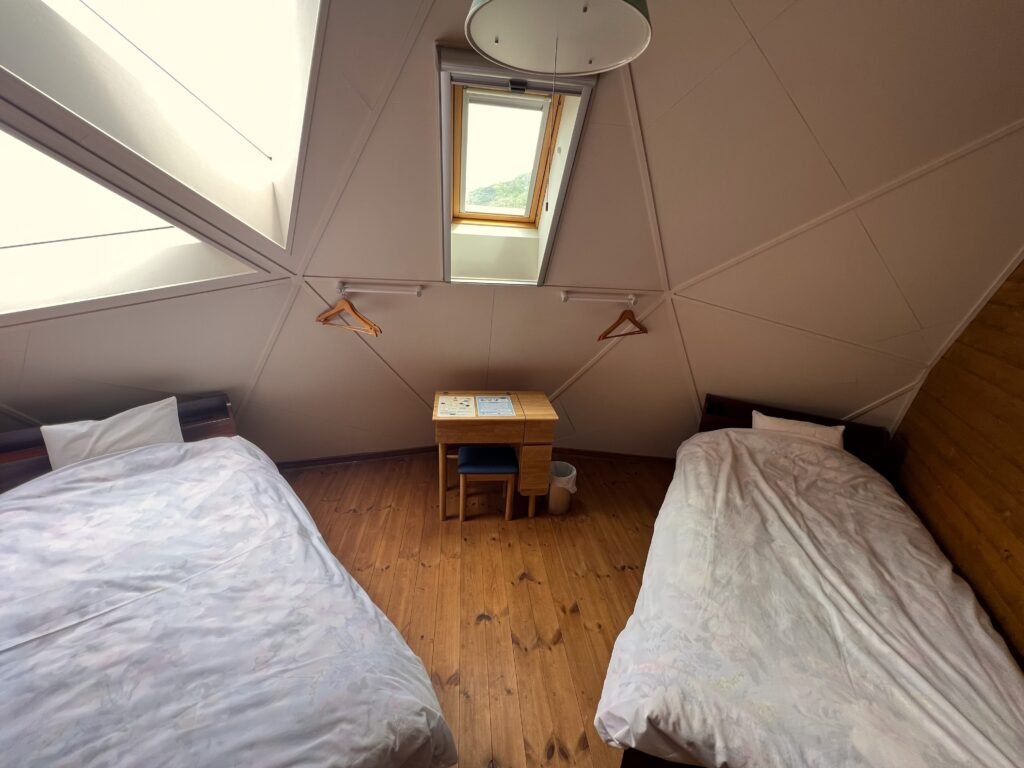
- The Phone Booking Hustle: There are only a handful of minshuku (family-run guesthouses) and most of them only accept reservations by phone. During my trip, I stayed at a fantastic spot called Cocosola (ココソラ). It’s a wonderful, cozy dome-house packed with a massive collection of Japanese manga, but securing my room required dialing in exactly when their phone lines opened.
- Web Bookings Are Rare (But Possible): A few accommodations have recently started accepting web reservations. You will need to comb through the official Mikurajima Tourist Association directory (mikura-isle.com/category/stay/) to find out which ones offer online booking and when their reservation windows open (usually months in advance). During the summer dolphin season, securing any bed feels like winning the lottery.
- Transit Hotels are Mandatory: While you can’t use them for the island itself, Booking.com and Agoda are absolute lifesavers for your transit. Because ferries and helis get canceled constantly, you will absolutely need backup hotel nights in Tokyo or Hachijojima. Book flexible mainland stays on these platforms with free cancellation policies so you don’t lose money when the weather turns.
- The Food Survival Guide: You cannot just walk into a restaurant here—they barely exist. Ensure you book a room that includes meals (half-board). For lunches, you must rely on the few local village shops (shoten). The moment you arrive, head to a shoten to stockpile water and calorie-dense snacks for your hikes.

3 Survival Tips for Foreigners (Internet, Cash, and Insurance)
Do not show up to Japan’s wild frontier unprepared. These three things will save your trip:
- Get Comprehensive Travel Insurance: I cannot emphasize this enough. I was trapped on this island for three extra days because of brutal weather. You absolutely must buy travel insurance with trip delay/cancellation coverage to pay for the unexpected extra nights you might be forced to spend on the island or mainland.
- Download an eSIM Before You Arrive: Forget about free public Wi-Fi, and standard 5G coverage is incredibly weak out here in the ocean. Save yourself a massive headache and install a Japan-compatible eSIM from Airalo before you leave the mainland. You will need a reliable connection to check critical ferry updates.
- Bring Hard Cash: This is a remote village. Credit cards are practically useless. Bring enough Japanese Yen in cash to cover your entire stay, local guide fees, and potential emergency days.
Is It Worth It? Top Things to Do in Mikurajima
Yes. A thousand times, yes. The logistical nightmare fades the second you step out into the wild.
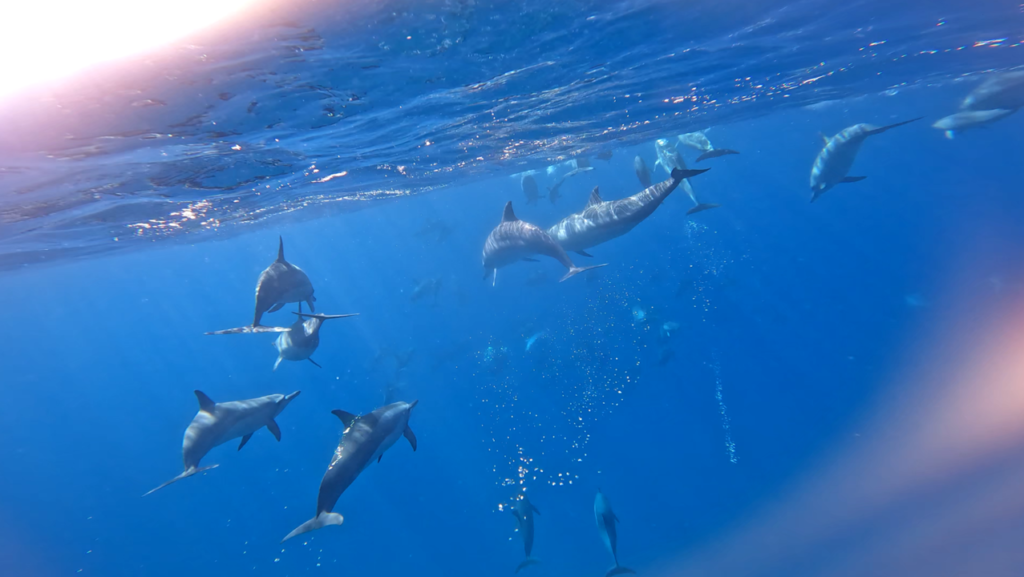
Swim with Wild Dolphins
This is the heartbeat of Mikurajima. The island is surrounded by a resident pod of wild Indo-Pacific bottlenose dolphins. By booking a local boat tour, you can slip into the ocean and respectfully swim alongside them in their natural habitat. It is a surreal, humbling experience.
Brave Mt. Kurosakitakao (No Guide Required!)
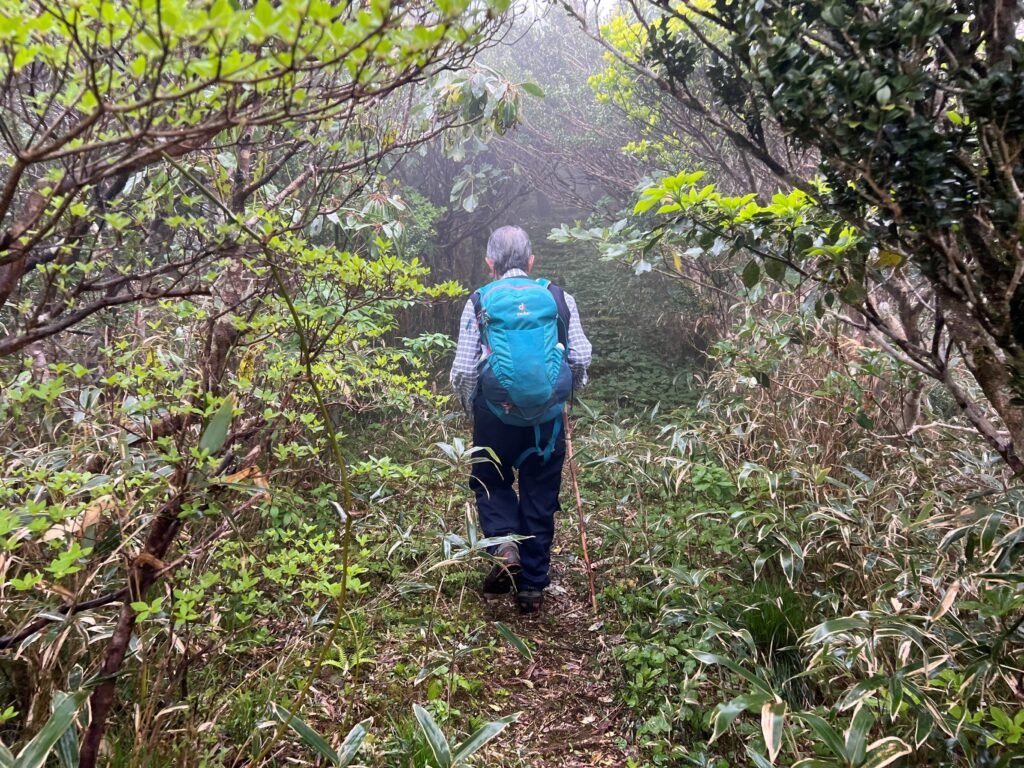
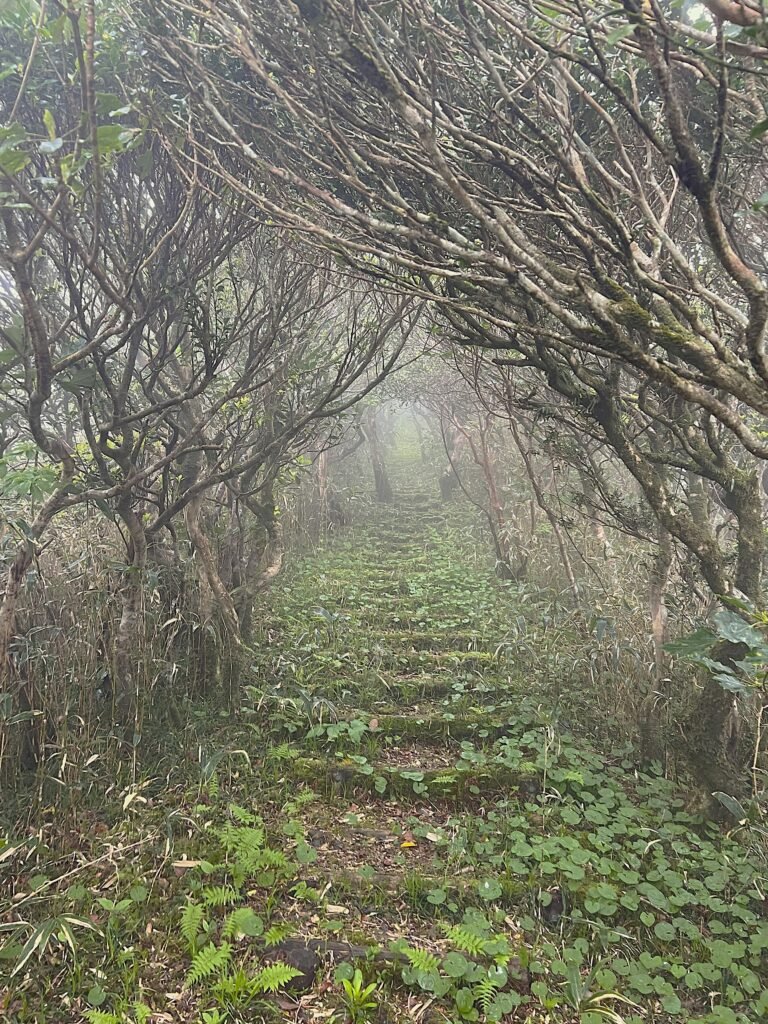
Most visitors only care about the ocean, leaving the island’s interior wonderfully deserted. However, Mikurajima fiercely guards its ecosystem—almost all mountain areas legally require a hired guide. Mt. Kurosakitakao is the ONLY exception. The Route: Situated at the absolute southern tip of the island, you reach it by walking straight down a single, desolate forest road from the northern village, essentially crossing the entire island.
- The Reward: The trail abruptly ends at a staggering 480-meter sea cliff. It is considered the highest sea cliff in Japan, and arguably the highest in the East. Standing at the edge, staring down at the churning Pacific Ocean, is pure, unadulterated vertigo.
Trek Mt. Nagataki (Guide Required)
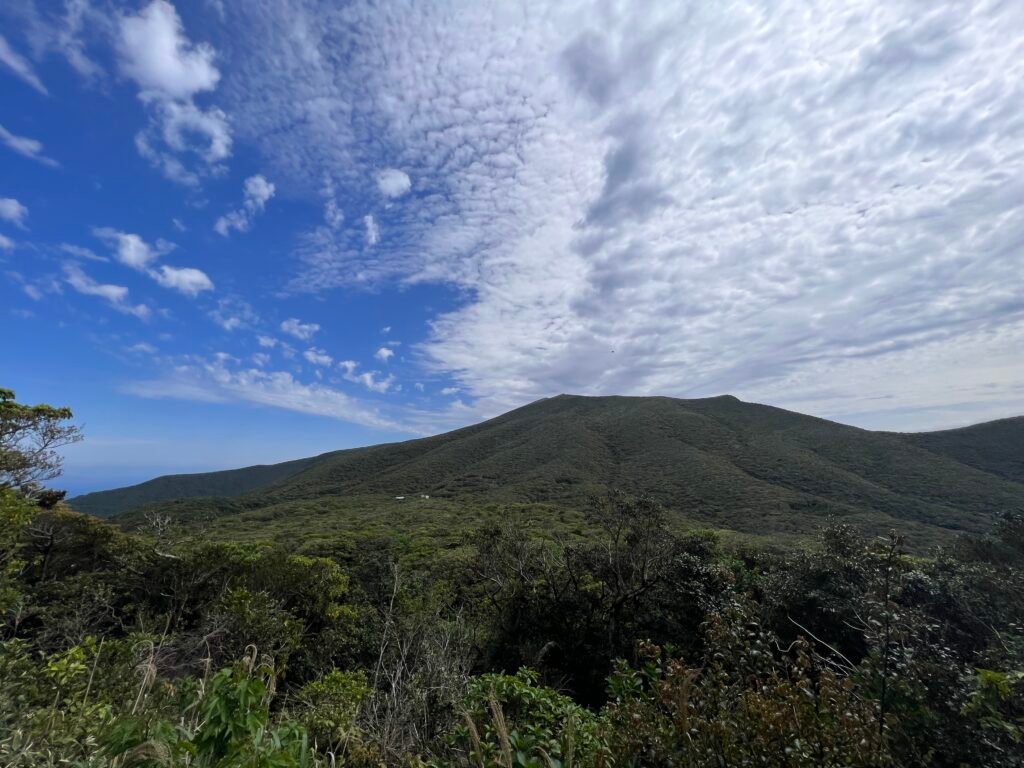
Because Mikurajima is an isolated utopia of endemic flora and precious forest resources, the island has a strict preservation agreement with the Tokyo government. Entering mountains like Mt. Nagataki requires a certified local guide. Among Japan’s “100 Famous Island Mountains,” this is uniquely strict!
- How to Book: You must contact the Mikurajima Tourist Association to secure a guide. They are usually lovely, elderly locals who hold the deep secrets of the island’s ecosystem. See Mikurajima Tourist Association directory (https://mikura-isle.com/mountain/)
- The Rules: To hire a guide, the Tourist Association mandates that you stay on the island for at least one night.
- The Cost: A solo, half-day hike up Mt. Nagataki costs roughly 6,000 JPY. If you want to do a massive full-day traverse to Mt. Ontake, block out your whole day. Check the official Tourist Association website for current rates, but exploring this forbidden forest with a local elder is a priceless experience.
Conclusion
Getting to Mikurajima is an absolute adventure, but with the right strategy, you can do it. Remember the game plan: secure your flights to Hachijojima on Skyscanner, book your transit hotel via Booking.com or Agoda, download your 4G eSIM from Airalo or Yesim, and buy that travel insurance. Then, set your alarm and make that helicopter phone call!
Check Price: Airalo eSIM for Japan (Moshi Moshi)